Chitwan National Park
A 3-day jungle safari in Nepal's first and largest national park — UNESCO World Heritage Site since 1984, home to 694 one-horned rhinoceroses (the world's second-largest population), 128 Bengal tigers, sloth bears, gaur, and gharial crocodiles. Jeep safaris, walking safaris with armed guides, dugout canoe trips, and stays in family-run lodges among the Tharu villages of Sauraha.
About this trek
In 1973, Nepal's government turned 952 square kilometres of subtropical lowland forest, riverine grassland, and oxbow lakes into the country's first national park — and saved a wildlife population that had collapsed from 800 rhinos to 95 in the space of two decades. Fifty years later, Chitwan National Park holds the world's second-largest population of greater one-horned rhinoceros (694 at the 2021 census, up from 95 at the founding), the highest density of Bengal tigers in Nepal (128 at the 2022 census), and 543 species of birds — more than half of every species recorded in the country. UNESCO recognised it as a World Heritage Site in 1984. It remains Nepal's single best wildlife experience and the most popular extension to virtually every Himalayan trek the country sells.
The park sits in the Terai — the flat, fertile, malaria-cleared lowland strip along Nepal's southern border with India — at an elevation of around 150 metres. It is a different country here from the Himalayas. The forest is sal and silk-cotton, the rivers are wide and slow (Rapti and Narayani), the mornings are heavy with mist that burns off by 9 a.m., and the wildlife is the kind that almost moved out of children's encyclopedias and onto the endangered list before the protection began. One-horned rhinoceros are routine — most jeep safaris produce two or three sightings, with grazing animals at 30-50 metres a normal occurrence. Wild elephants appear seasonally, especially near waterholes in the dry months. Gaur (the world's largest wild cattle), sloth bears, leopards, gharial crocodiles, and Gangetic dolphins all make the park their home, alongside the apex predator that draws the tiger-photographers: the Bengal tiger itself, present but rarely seen in the dense sal forest.
Most visitors stay in Sauraha, the small lodge village immediately outside the park's eastern gate — a 15-minute jeep ride to the entry point, with lodges and homestays at every price tier and a thriving Tharu cultural scene. We work with the established jungle lodges in and around Sauraha, choosing those with experienced naturalist-guides who genuinely know the park rather than the budget-end operators that have proliferated in the last decade. Wildlife activities include the standard 4-hour jeep safari (the highest-probability rhino-sighting activity), guided walking safaris with two armed guides (slower, more atmospheric, more intimate), dugout canoe trips down the Rapti river (excellent for crocodiles and birdlife), and visits to the government elephant breeding centre and Tharu villages.
Two important developments shape any modern Chitwan booking. Elephant rides have been phased out by all reputable operators since around 2022, following sustained welfare advocacy — we don't offer them, and we don't recommend operators who do. Tharu cultural shows remain a fixture but are best understood as cultural performance rather than ethnography. Beyond that, this is one of the most conservation-positive products Nepal sells. The 1973 founding of Chitwan transformed Nepal's relationship with wildlife; visiting now contributes directly to the buffer-zone community programmes that keep the park functioning. Operating Chitwan since 2008, we book and recommend the experienced wildlife resorts that we'd want to stay in ourselves — typically a tier above the Sauraha-village backpacker lodges, but considerably more accessible than the inside-park luxury options like Tiger Tops.
Trip Facts
- Best season
- October–April (clear weather, easier sightings); cool mornings December–February; April–May is hottest with best wildlife visibility but uncomfortable midday heat
- Group size
- 1–12 trekkers
- Start / end
- Kathmandu or Pokhara (5–6 hour drive) or Bharatpur airport (15-min flight from Kathmandu, 25-min flight from Pokhara)
- Accommodation
- 2 nights in family-run jungle lodge in Sauraha (twin-share, full board)
- Guides & porters
- English-speaking naturalist guide for all activities (included)
- Minimum age
- 3+
Trek Highlights
- Stand within 50 metres of a one-horned rhinoceros — Chitwan holds 694 of the world's ~3,500 remaining individuals. Sighting probability on a 3-day visit is over 90%.
- Track 128 Bengal tigers through dense sal forest — the highest tiger density in Nepal, Big 5-grade game viewing. Sighting probability is honestly 10-15%, but the chase is part of the safari.
- Glide down the Rapti river in a traditional Tharu dugout canoe — carved from a single sal tree, low and silent, perfect for spotting mugger crocodiles, gharials, and Gangetic dolphins along the riverbank
- Walking safari with armed guides through grassland and sal forest — the most atmospheric of all Chitwan activities, and the only way to approach rhinos at foot speed (you'll smell them before you see them)
- Visit Tharu villages around Sauraha — the indigenous community of the Terai, with traditional clay-and-thatch architecture, evening cultural performances, and a genuinely lived rural-Nepali life that contrasts with both the Himalayan trekking villages and Kathmandu
- 543 bird species including Bengal florican (critically endangered), great hornbill, lesser adjutant stork, and dozens of brilliantly-coloured kingfishers — Chitwan is one of the great Asian birding destinations
Day-by-Day Itinerary
Travel options: - Tourist coach: 5–6 hours from Kathmandu or 4–5 hours from Pokhara via the Mugling–Narayanghat highway - Private vehicle: 4–5 hours from Kathmandu, 3–4 hours from Pokhara - Domestic flight: 15 minutes Kathmandu→Bharatpur, 25 minutes Pokhara→Bharatpur, then 30-minute drive to Sauraha
Arrive Sauraha early-to-mid afternoon. After lunch and check-in, settle into the lodge. Late afternoon: walking village tour of Sauraha, ending at the riverside in time for the famous Chitwan sunset over the Rapti. Evening: Tharu cultural show at the lodge — traditional stick dance and folk songs in the Tharu community hall. Accommodation: Jungle lodge, Sauraha. Meals: L/D.
Book a Departure
No published departures right now — get in touch and we'll set up a private date.
Upcoming Departures
Year-round
1 departureCustom and private departures available year-round on request.
What's Included
- 2 nights' accommodation at a family-run jungle lodge in Sauraha (twin-share, full board)
- All meals during the programme: 2× breakfast, 3× lunch, 2× dinner — Nepali, Tharu, and Western options
- Tourist coach transport: Kathmandu / Pokhara → Sauraha and Sauraha → Kathmandu / Pokhara
- All park activities: jeep safari, walking safari with armed guides, dugout canoe trip, breeding centre visit, Tharu village tour
- Tharu cultural show evening performance
- English-speaking naturalist guide for all wildlife activities
- All park entry permits and conservation fees
- All applicable government taxes
- Welcome drink (lodge-dependent)
Not Included
- International flights to and from Kathmandu
- Nepal entry visa (USD $50 on arrival for 30-day multi-entry)
- Travel and medical insurance
- Domestic flight upgrade if preferred over coach (~USD $130 round trip)
- Private vehicle upgrade (~USD $200 round trip)
- Drinks (bottled water, soft drinks, alcohol, tea/coffee outside meals)
- Personal expenses (laundry, shopping, internet beyond hotel Wi-Fi)
- Tips for naturalist guide and lodge staff (customary; we'll advise)
- Lodge upgrades (mid-range to upscale tier)
- Anything not listed under "What's Included"
Frequently Asked Questions
What wildlife will I actually see?
Honest probabilities for a 3-day visit (October–April):
We tell you these numbers because too many operator pages oversell tiger sightings. Plan your trip around rhinos. Treat tigers as a bonus.
How does Chitwan compare to Bardia?
Both are excellent. The main differences:
If this is your first wildlife trip in Nepal, Chitwan. If you're returning specifically for tigers, or want fewer tourists, Bardia. Many serious wildlife visitors do both.
Are elephant rides offered?
No. We do not offer elephant rides, and we do not recommend operators who do. Since around 2022, Nepal's tourism industry has substantially phased out elephant rides following sustained advocacy from international animal welfare organisations. Captive elephants in Nepal still face welfare concerns; visiting the government breeding centre allows close-range observation without participating in riding. Some operators in Sauraha still offer rides — these are not us.
When should I go?
- October–November: peak season. Clear weather, good sightings, harvest in the surrounding villages. Book lodges 2–3 months ahead. - December–February: cold mornings (down to 5°C dawn), warm afternoons. Excellent sightings as grasses are cut down. Foggy mornings can reduce visibility. - March–April: hot but with the best wildlife visibility (grasses are short or burned). Tiger sightings improve. Pack for 30°C+ midday. - May–June: very hot (35°C+), increasingly humid as monsoon approaches. Wildlife is active near water. Quieter and cheaper. - July–September: monsoon. Lodges remain open but jeep safaris are weather-dependent and the park can flood in places. Reduced safari activity.
Where will we stay?
We work with mid-range jungle lodges in Sauraha — places with proper en-suite rooms, swimming pools, garden settings, and experienced naturalist staff. Examples (subject to availability): Chitwan Forest Resort, Hotel Parkside, Maruni Sanctuary Lodge, Hotel Tigerland. Mid-range tier is included in the package price. Lodge upgrades to the upscale tier (Barahi Jungle Lodge, Taj Meghauli Serai, Tiger Tops) are available at additional cost — these are typically USD $150–300 per night extra.
Is it suitable for children?
Yes — Chitwan is genuinely the most family-friendly product Nature-Treks offers. Our minimum age is 3+ (versus 8+ for Poon Hill or 12+ for higher treks). The activities work for kids: jeep safaris are exciting (rhinos! crocodiles!), canoe trips are slow and safe, walking safaris can be shortened to 1–2 hours for younger children. Most lodges have swimming pools for hot afternoons.
Is it safe? Do tigers attack tourists?
Tiger attacks on tourists in Chitwan are essentially unknown — your naturalist guide and the armed walking-safari guides minimise the (already small) risk. Where the danger is real is rhinos — they're more aggressive than they look, and most park-related fatalities in the last decade have involved rhinos in buffer-zone areas (not park visitors). We don't approach rhinos on foot beyond what the trained guides judge safe. The lodges are completely safe — Sauraha is a normal village.
Can I extend or combine with other products?
The most common combinations: - Trek + Chitwan: 3 nights at the back end of any trekking product (10-15% combo discount on separate booking) - Chitwan + Pokhara: 2 nights Chitwan + 3 nights Pokhara on Phewa Lake (lakeside rest, paragliding, World Peace Pagoda) - Chitwan + Bardia: serious wildlife enthusiast option, see Bardia Tiger product - Chitwan + Lumbini: 2 nights Chitwan + 2 nights Lumbini (Buddha's birthplace, 3 hrs west) — strong cultural-pilgrimage pairing
What gear do I need?
Less than for any trek. Long trousers and long-sleeved shirts in muted colors (greens, browns, beiges — avoid bright colors and pure white) for safari activities, sturdy walking shoes for the walking safari, sun hat, sunglasses, sunscreen, insect repellent (mosquitoes are present October–April but malaria is essentially absent), binoculars (optional but transformative if you have them), camera with zoom lens. The lodges provide everything else.
What's the cancellation policy?
A 25% deposit confirms your booking. Full balance due 14 days before departure. Cancellations 14+ days out: full refund minus deposit. 7–13 days out: 50% refund. Less than 7 days out: no refund. We strongly recommend trip insurance with cancellation cover.
More treks like this

Bird and Red Panda Expedition — Eastern Nepal
A 16-day expedition through four eastern-Nepal habitats — Phulchowki above Kathmandu, Sindhuli Gadi, the Koshi Tappu wetland, and the Ilam hills — tracking red panda (Ailurus fulgens, IUCN Endangered) alongside resident and migratory birds including Sultan Tit (Melanochlora sultanea). Naturalist-led, small group, starts and ends in Kathmandu. Red panda sightings are not guaranteed.
Rhododendrons of Milke Danda
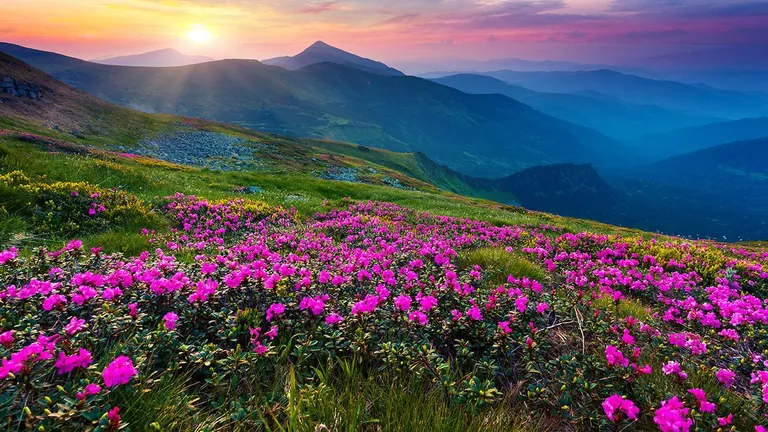
A 16-day botanical walk from Basantapur to Tumlingtar along the Tinjure–Milke–Jaljale ridge in east Nepal's Koshi hills, topping out around 3,200 m on Milke Danda. Expect rhododendron forest in bloom — Rhododendron arboreum among them — and mid-hill cloud forest, not megafauna. Small group (min 4), naturalist-led, walking through Basantapur, Chauki, Gupha Pokhari, Milke Danda, and Khandbari.
Nepal Wildlife — Chitwan & Bardia
A 12-day naturalist-led tour through Chitwan and Bardia National Parks — Nepal's sal-lowland and riverine-forest terai. Game-spotting is on foot, by jeep, and by dugout canoe, never on captive elephants. Max-12 group, full-board lodges next to the parks, and a park-licensed naturalist on every drive and walk. Bookended by the Kathmandu Valley and a half-day at Lumbini.