The ghost of the mountains
A 21-day expedition for wildlife photographers and naturalists prepared for strenuous cold-weather camping in remote trans-Himalayan terrain.
There are an estimated 300–400 snow leopards across Nepal's trans-Himalayan zone. Seeing one in the wild is, frankly, uncommon — but the odds in Dolpo's upper valleys during the winter rut (Feb–Mar) are as good as anywhere on earth.
This is not a teahouse trek. We camp at 4,000–5,000m, work with specialist spotters from the Snow Leopard Conservancy, and spend long, cold days behind spotting scopes. The base camp is comfortable; the conditions are not.
What to expect
Itinerary at a glance
Kathmandu → Nepalgunj → Juphal → trek into Lower Dolpo over 7 days → 10–12 days based at a spotting camp in Upper Dolpo → return.
Sighting odds
Snow leopard sightings are not guaranteed — come for the trans-Himalayan landscape and treat the cat as a bonus. Most groups find fresh tracks or kills; direct sightings depend on weather, altitude, and luck. We do not quote a percentage.
Fitness & altitude
Equivalent to a strenuous Everest Base Camp trek with the added challenge of cold camping. Prior high-altitude experience required.
Two departures per year — February and March.
The 2027 expedition typically fills 10–12 months out. Write to us when you know your dates.
Enquire about 2027 datesOur wildlife trips

Bird and Red Panda Expedition — Eastern Nepal
A 16-day expedition through four eastern-Nepal habitats — Phulchowki above Kathmandu, Sindhuli Gadi, the Koshi Tappu wetland, and the Ilam hills — tracking red panda (Ailurus fulgens, IUCN Endangered) alongside resident and migratory birds including Sultan Tit (Melanochlora sultanea). Naturalist-led, small group, starts and ends in Kathmandu. Red panda sightings are not guaranteed.
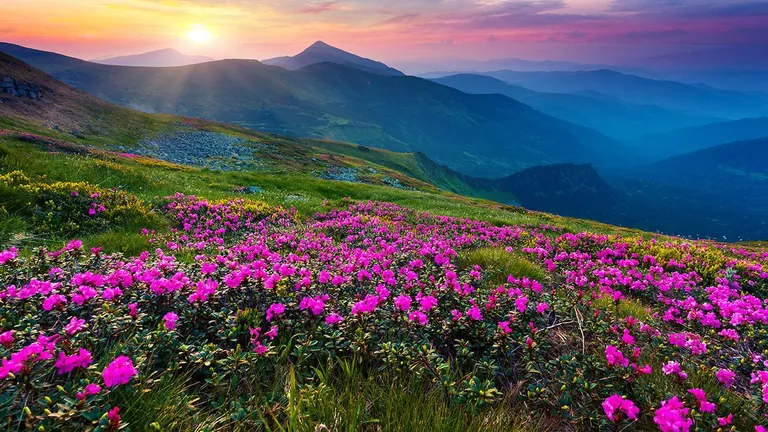
Rhododendrons of Milke Danda
A 16-day botanical walk from Basantapur to Tumlingtar along the Tinjure–Milke–Jaljale ridge in east Nepal's Koshi hills, topping out around 3,200 m on Milke Danda. Expect rhododendron forest in bloom — Rhododendron arboreum among them — and mid-hill cloud forest, not megafauna. Small group (min 4), naturalist-led, walking through Basantapur, Chauki, Gupha Pokhari, Milke Danda, and Khandbari.
Nepal Wildlife — Chitwan & Bardia
A 12-day naturalist-led tour through Chitwan and Bardia National Parks — Nepal's sal-lowland and riverine-forest terai. Game-spotting is on foot, by jeep, and by dugout canoe, never on captive elephants. Max-12 group, full-board lodges next to the parks, and a park-licensed naturalist on every drive and walk. Bookended by the Kathmandu Valley and a half-day at Lumbini.
Snow Leopard Tracking — Nar Phu - Manang
A trans-Himalayan expedition of 18 days into the Nar Phu valley behind the Annapurna massif, tracking snow leopard (Panthera uncia, IUCN Vulnerable) and its blue sheep prey (Pseudois nayaur). Naturalist-led, with a community wildlife tracker on every expedition. Nar Phu is a restricted area; passes here sit above 5,000 m. Sightings are not guaranteed — come for the landscape, treat the cat as a bonus.
Red Panda Tracking — Eastern Nepal
An 11-day naturalist-led wildlife trip from Kathmandu into the Ilam tea-garden belt and the temperate broadleaf forest around it (2,200–3,600 m), tracking red panda (Ailurus fulgens, IUCN Endangered) on foot alongside Himalayan Monal and Satyr Tragopan. We track with a local community tracker who works these forests year-round, and sleep in tea-garden home-stays.
Chitwan National Park
A 3-day jungle safari in Nepal's first and largest national park — UNESCO World Heritage Site since 1984, home to 694 one-horned rhinoceroses (the world's second-largest population), 128 Bengal tigers, sloth bears, gaur, and gharial crocodiles. Jeep safaris, walking safaris with armed guides, dugout canoe trips, and stays in family-run lodges among the Tharu villages of Sauraha.