880+ species. Four habitats. One country.
Nepal compresses the bird life of half of Asia into a country smaller than New York State.
Vimal and our senior guide team are trained birders who work alongside Bird Conservation Nepal on field programs. Every trip uses spotting scopes, responsible sound playback, and printed field guides — not phone apps.
Where we go
Pokhara & Phewa wetlands
Key species: Kingfishers, herons, Asian openbill, parakeets
Easy access, perfect for first-day acclimatisation birding.
Chitwan National Park
Key species: Bengal florican, paradise flycatcher, hornbills, fish-owls
Boat-based and walking transects with park naturalists.
Koshi Tappu Wildlife Reserve
Key species: Migratory waterfowl, swamp francolin, Pallas's fish-eagle
The serious birder's destination. 500+ species recorded.
Ghorepani & rhododendron forests
Key species: Himalayan Monal, Kalij pheasant, sunbirds, laughingthrushes
Combine with light trekking for forest-canopy species.
Photographed on our trips
Every frame below was taken by Vimal Kumar Thapa across 30+ years of guiding in Nepal — none of it is stock. Where a photo's place and date are on record we print them; where they are not, the caption states the species and where in Nepal it lives, and stops there.
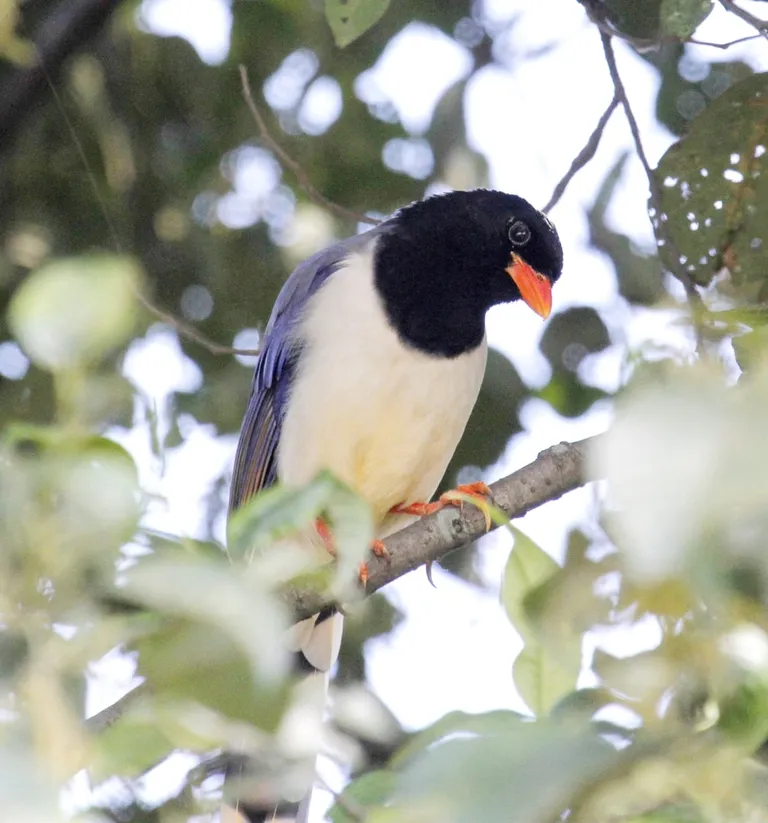
Red-billed blue magpieUrocissa erythroryncha
A resident of mid-hill broadleaf forest, including the Kathmandu Valley's southern rim at Godawari and Phulchauki.
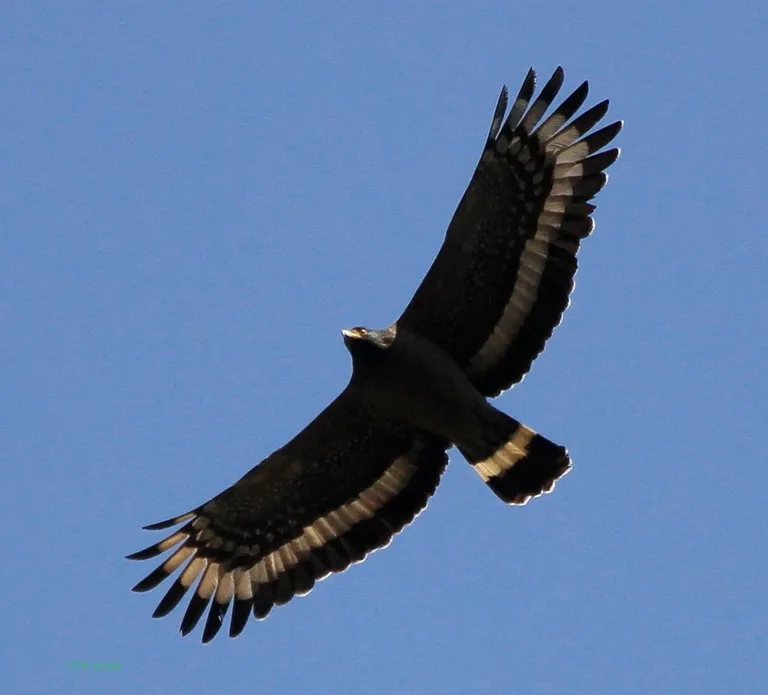
Crested serpent eagleSpilornis cheela
A resident raptor of forested hills, regularly seen soaring over Phulchauki above the Kathmandu Valley.
March 2017
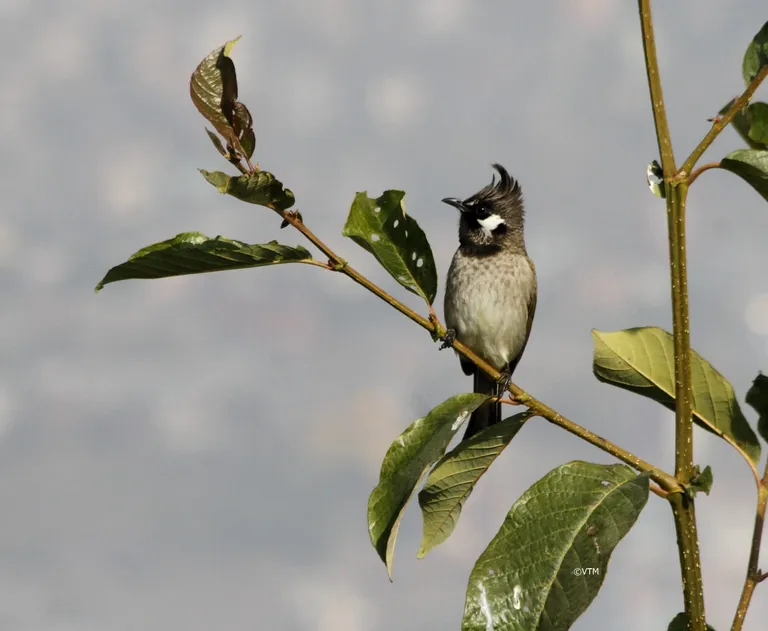
Himalayan bulbulPycnonotus leucogenys
A common mid-hill resident of scrubby hillsides, orchards and valley-rim gardens.
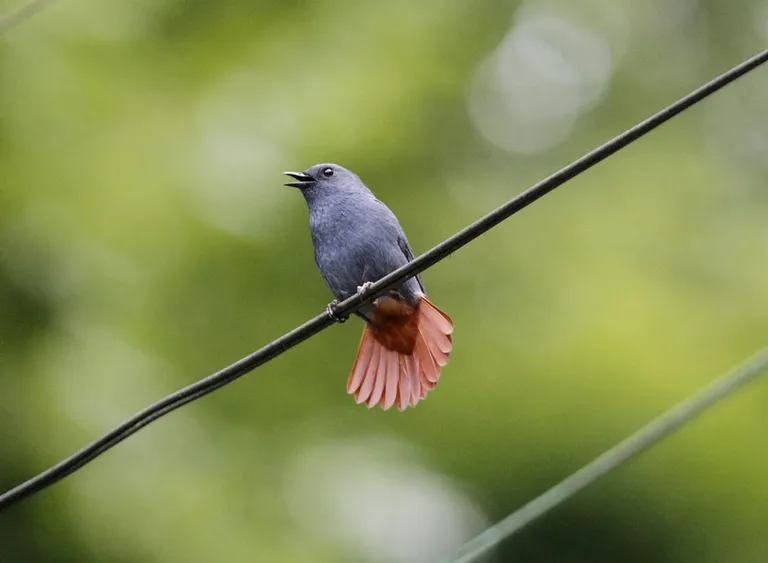
Plumbeous water redstartPhoenicurus fuliginosus
A resident of fast hill streams, fanning its rufous tail from midstream boulders. The male is shown here.
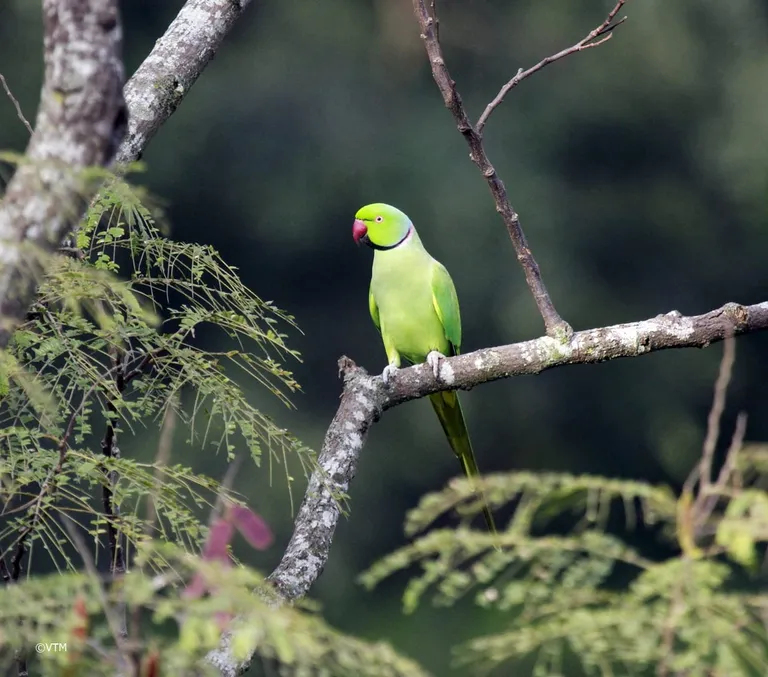
Rose-ringed parakeetPsittacula krameri
Resident across the lowlands and the Kathmandu Valley floor, where noisy flocks cross the city at dusk. The male is shown here.
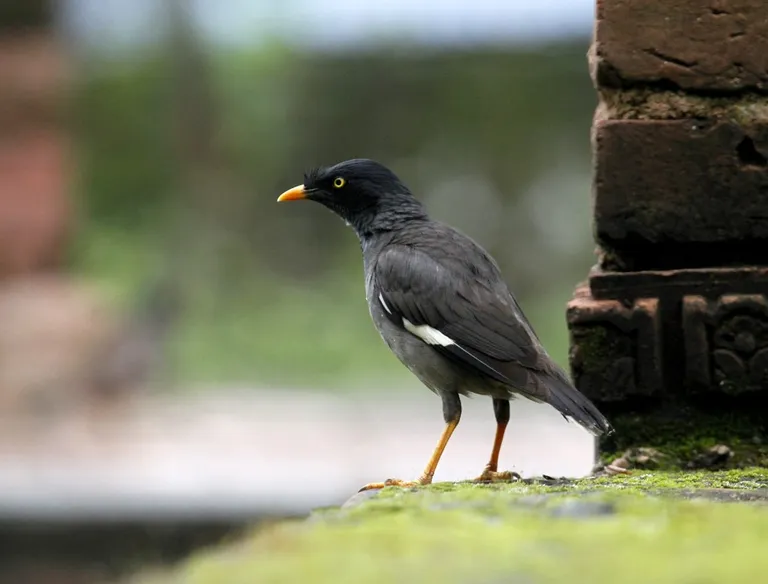
Jungle mynaAcridotheres fuscus
A resident of lowland and mid-hill towns, at home on temple brickwork and courtyard walls.
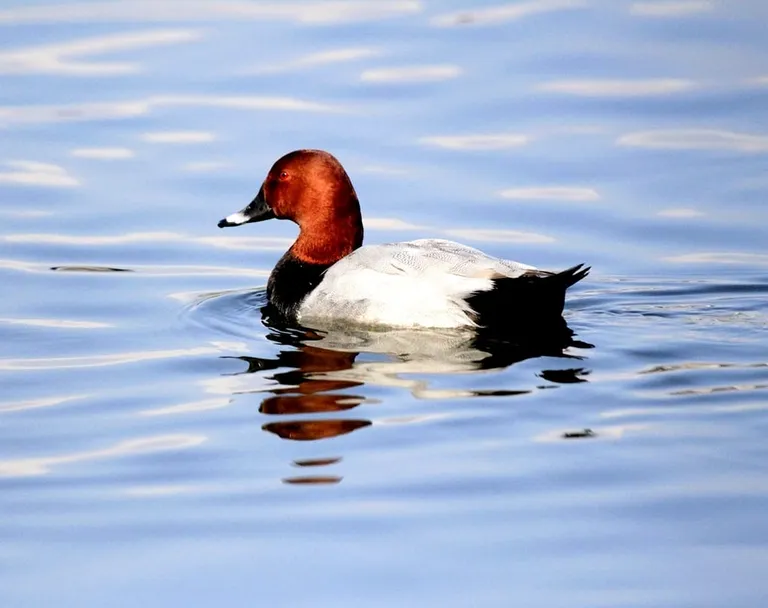
Common pochardAythya ferina
A winter visitor to Nepal's lakes and ponds, present in the Kathmandu Valley from roughly November to March.
Taudaha, Kathmandu Valley, February 2022
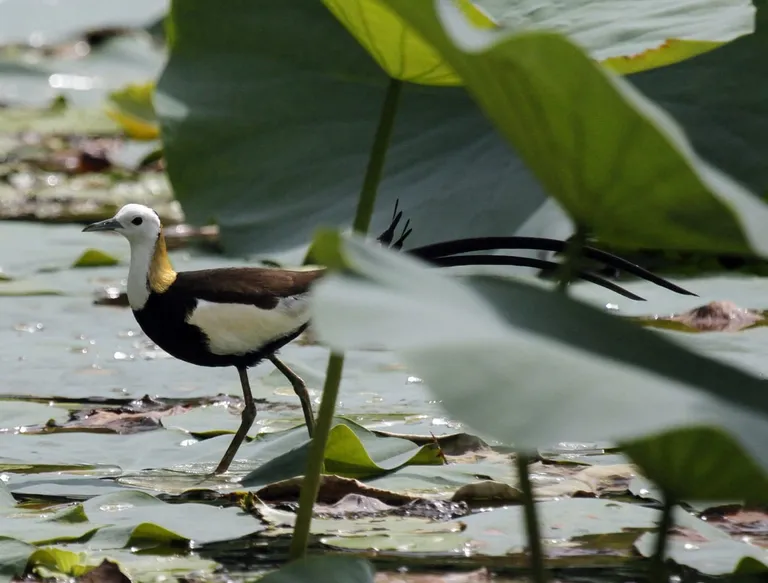
Pheasant-tailed jacanaHydrophasianus chirurgus
Long toes spread the bird's weight across floating lotus leaves, which is how it feeds without sinking.
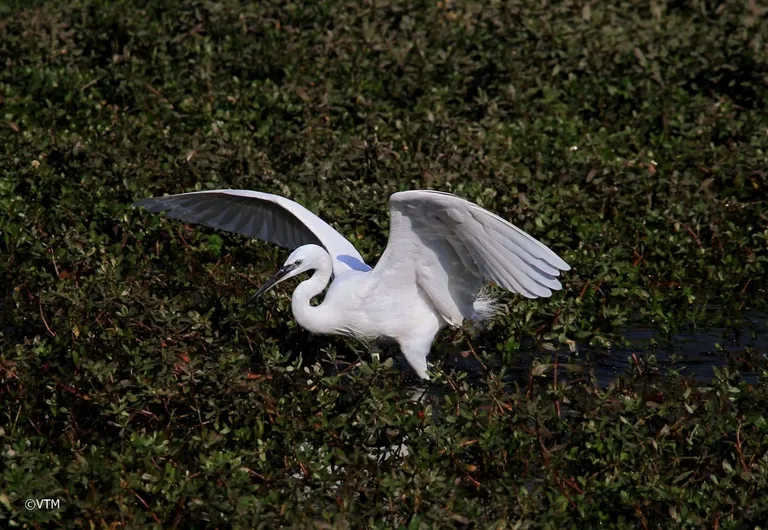
Little egretEgretta garzetta
A widespread resident of lowland wetlands. The blue-grey lores on this bird mark it as being in breeding condition.
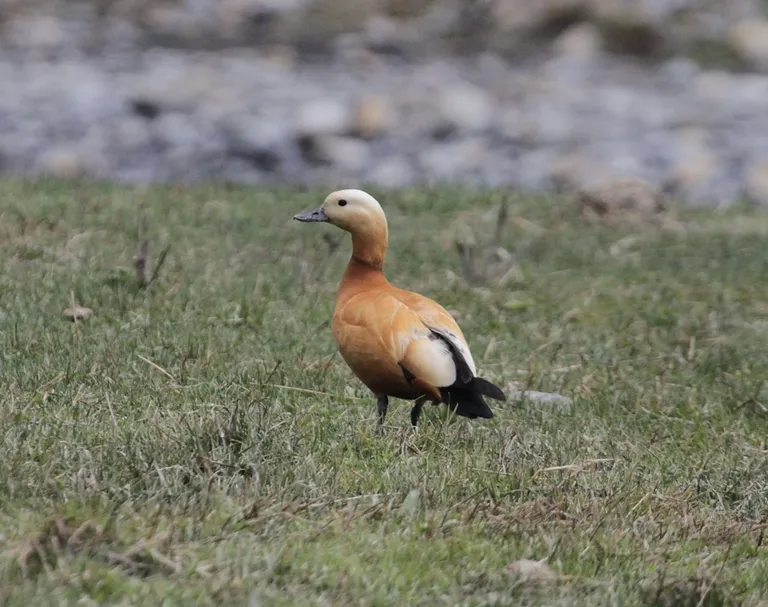
Ruddy shelduckTadorna ferruginea
A winter visitor to Nepal's big rivers and sandbars, present from roughly October to March.
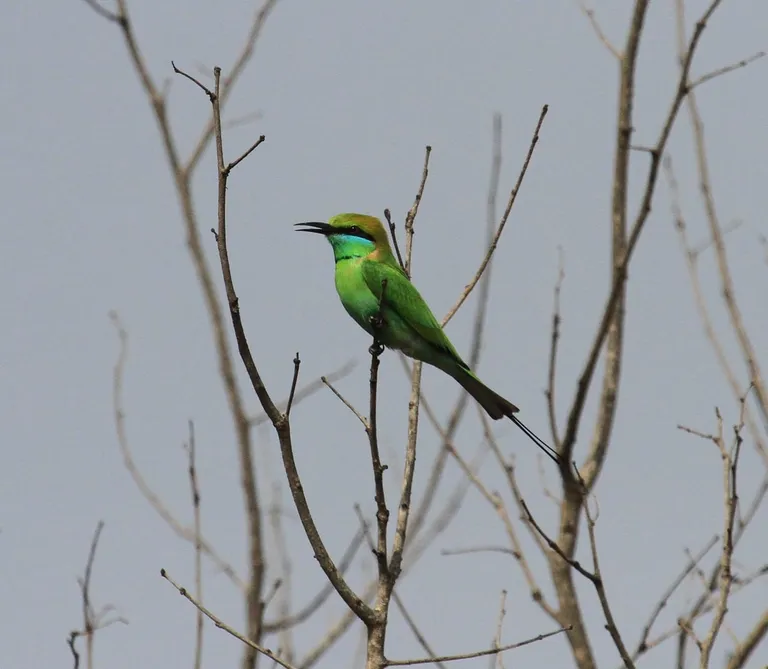
Asian green bee-eaterMerops orientalis
A Terai and lower-valley resident that hunts insects from bare perches and returns to the same twig to eat.
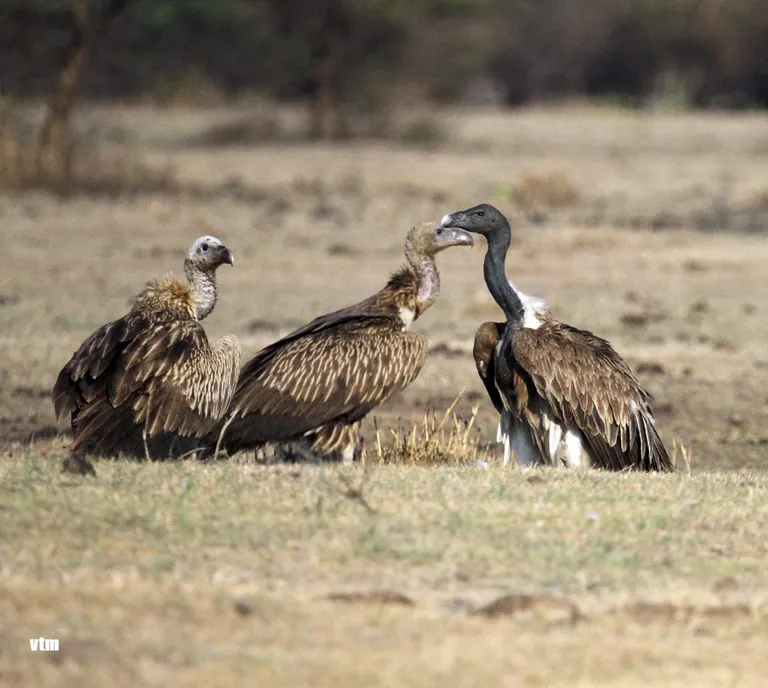
VulturesGyps spp.
Koshi Tappu is one of the last strongholds for Nepal's critically endangered Gyps vultures, whose populations collapsed after veterinary diclofenac entered the food chain.
Koshi Tappu Wildlife Reserve, April 2021
Building a custom birding itinerary?
Tell Vimal your target species and we'll design the route.
Ask Vimal about a birding tripOur birding trips

Bird and Red Panda Expedition — Eastern Nepal
A 16-day expedition through four eastern-Nepal habitats — Phulchowki above Kathmandu, Sindhuli Gadi, the Koshi Tappu wetland, and the Ilam hills — tracking red panda (Ailurus fulgens, IUCN Endangered) alongside resident and migratory birds including Sultan Tit (Melanochlora sultanea). Naturalist-led, small group, starts and ends in Kathmandu. Red panda sightings are not guaranteed.

Urban Birds of Kathmandu Valley
Urban Birds of Kathmandu is a flexible half-day to multi-day birding outing run inside the valley — forest edges, farmland, creeks, and scrub slopes 15–40 minutes from the city. Targets include the Spiny Babbler (Turdoides nipalensis), the only bird endemic to Nepal. Naturalist-led, with a post-trip checklist, using the Kathmandu-based bird guides we work with year-round.
Godawari & Phulchauki Birding
A one-day naturalist-led bird walk on the southern edge of the Kathmandu Valley — Godawari Community Forest at the base, with an optional second day climbing Phulchauki Hill (2,760 m). Subtropical and temperate forest; over 300 species recorded on the hill, 100+ logged on past single days. Max-8 group, led by a licensed birder. Sunday–Friday departures.
Haibung Bird Trek
A 3-day birding trip from Kathmandu to Haibung, on the northern edge of Shivapuri Nagarjun National Park. The mid-hill broadleaf forest holds Spiny Babbler (Turdoides nipalensis) — Nepal's only endemic bird — alongside Fire-tailed Sunbird and a dozen other target species. Small group, naturalist-led, based at one local lodge with morning and afternoon forest walks.
Langtang Bird Trek
A walk-in birding trek through Langtang National Park, north of Kathmandu, with habitats running from riverside creeks to alpine pass. Park records list 380 bird species, ten of them globally threatened. The route names Ibisbill (Ibidorhyncha struthersii) on the Langtang Khola and crosses to Gosainkunda. Naturalist-led, locally-owned teahouses, IPPG-aligned porters.
Wings on Migration
Wings on Migration is a 10-day bird tour from Kathmandu through Pokhara to Chitwan, working three habitats — Godawari forest edge, the Pokhara valley rim, and the Chitwan lowland grassland — during the November–March migration window. Targets include the Critically Endangered Bengal Florican (Houbaropsis bengalensis) and Lesser Florican (Sypheotides indicus). Max-10 group, naturalist-led, vehicle-based.
Birds of Nepal: Annapurna & Chitwan
A 16-day birding circuit from Kathmandu's Phulchauki rim through the Annapurna mid-hills — Kande, Ghandruk, Ulleri — down to Chitwan's sal forest and oxbow wetlands. Mixed broadleaf and cloud forest above 2,000 m; sal and grassland on the Terai floor. Max-8 group, naturalist-led, with a post-trip species list compiled from the trip leader's records.