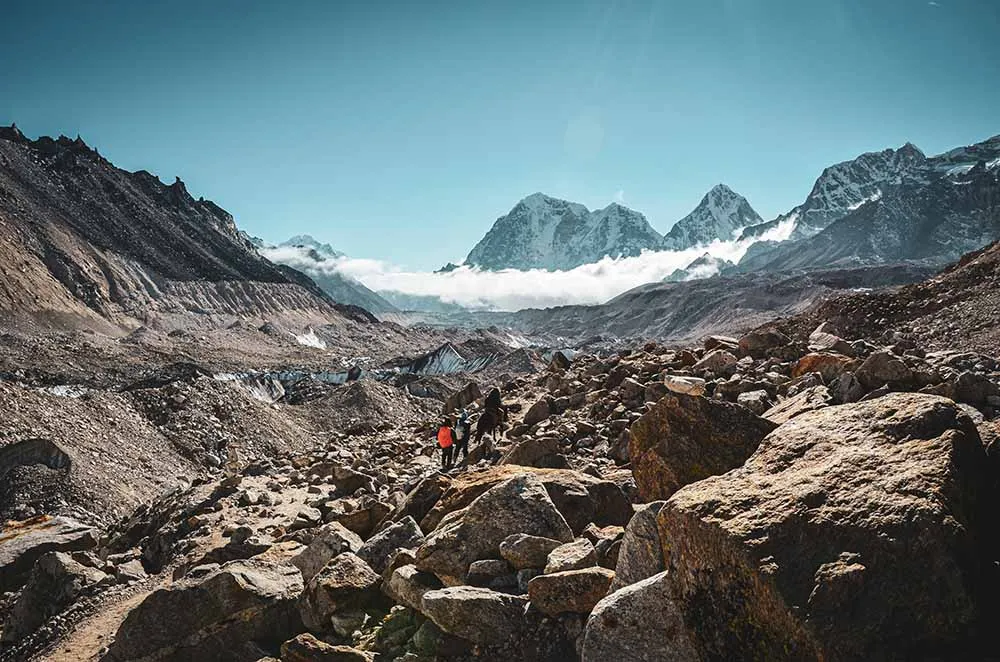
Langtang Bird Trek
A walk-in birding trek through Langtang National Park, north of Kathmandu, with habitats running from riverside creeks to alpine pass. Park records list 380 bird species, ten of them globally threatened. The route names Ibisbill (Ibidorhyncha struthersii) on the Langtang Khola and crosses to Gosainkunda. Naturalist-led, locally-owned teahouses, IPPG-aligned porters.
About this trek
Langtang National Park sits a day's drive north of Kathmandu and stacks a lot of birding habitat into a short corridor: riverside scrub along the Langtang Khola, mixed broadleaf and rhododendron forest on the climb to Kyanjin, and alpine grassland and scree on the crossing to Gosainkunda. Park records list 380 bird species, including ten globally threatened and 49 nationally threatened (source: park literature). We do not publish a per-trek expected count.
The set-piece is Ibisbill (Ibidorhyncha struthersii) on the gravel bars near Kyanjin — a Himalayan-river specialist most operators never put their clients in front of. Above the treeline, Lammergeier (Gypaetus barbatus) and Himalayan Griffon (Gyps himalayensis) ride the thermals; rhododendron belts hold laughingthrushes, sunbirds, and parrotbills in season. The crossing from the Langtang valley to Gosainkunda swaps one watershed's bird community for another within a single day.
Langtang village was destroyed by a co-seismic landslide in April 2015. It has been rebuilt by returning residents, and the teahouses we use are part of that rebuild. We name this because it matters: this is not a "remote, untouched" valley — it is a community that came back, and our trip pays into it through the teahouses, permits, and the park system.
Trip Facts
- Best season
- March–May and September–November
- Group size
- 2–8 trekkers
- Total distance
- ~110 km
- Start / end
- Kathmandu → Syabrubesi trailhead; Sundarijal → Kathmandu drive back
- Accommodation
- Hotel in Kathmandu; locally-owned teahouses on the trail
- Guides & porters
- English-speaking naturalist birding guide and porters; loads capped at 25 kg per IPPG guidance; staff insurance included
- Minimum age
- 12+
Trek Highlights
- Ibisbill (Ibidorhyncha struthersii) on the Langtang Khola gravel bars near Kyanjin
- Lammergeier (Gypaetus barbatus) and Himalayan Griffon (Gyps himalayensis) over the high ridges
- Half-day Godawari birding before the trek — lowland forest species before the climb
- Rhododendron-belt species on the Cholangpati and Lauribinayak sections
- The crossing to Gosainkunda — two distinct watersheds, two bird assemblages, in a single day
- Park records of 380 species across alpine, wetland, forest, and riverside habitats
Day-by-Day Itinerary
Airport transfer, kit check, and orientation. Welcome dinner with the trip guide.
Book a Departure
No published departures right now — get in touch and we'll set up a private date.
Upcoming Departures
Spring & autumn 2026
1 departureCustom and private departures available year-round on request.
What's Included
- All land transportation Kathmandu–Syabrubesi and trailhead returns
- Hotel accommodation in Kathmandu
- Half-day Godawari birding in the Kathmandu Valley
- Three meals daily and teahouse accommodation on the trail
- Naturalist guide and porters
- Langtang National Park entry and TIMS permits
- Staff insurance (porters and guide)
Not Included
- International flights, visa, travel insurance
- Bottled and canned drinks (we carry filtered refills)
- Tipping, personal gear, laundry
- Costs from unforeseen delays (weather, road closures)
Frequently Asked Questions
How likely is an Ibisbill sighting?
We do not publish a per-trip sighting rate. Ibisbill is resident on the Langtang Khola gravel bars in the Kyanjin area year-round; spring and autumn are the most reliable windows. Treat it as the species the trip is built around, not a guarantee.
Is Red Panda realistic on this trek?
Possible in the Cholangpati rhododendron belt, but this is a bird trek, not a Red Panda tracking trek. We have no published sighting probability for this route. If Red Panda is your primary target, our dedicated red-panda tour is a better fit.
Is the trek safe after the 2015 earthquake?
Yes. Langtang village and the teahouses along the route have been rebuilt by returning residents. The trail is open and operating. We name this history because it matters; we do not market the valley as "remote" or "untouched."
How many species will I see?
Park records list 380 species across the route's habitats, ten of them globally threatened. We cite that park figure honestly but do not publish a per-trek expected count.
How fit do I need to be?
Moderate. The trek has multiple consecutive walking days and one high pass day at altitude (the Lauribinayak crossing). It suits hikers comfortable on consecutive multi-hour days.
What's the best time to go?
March–May and September–November. Spring brings the rhododendron belts into flower and is one of the two most reliable windows for the resident high-altitude raptors and the Kyanjin Ibisbill.
More treks like this

Bird and Red Panda Expedition — Eastern Nepal
A 16-day expedition through four eastern-Nepal habitats — Phulchowki above Kathmandu, Sindhuli Gadi, the Koshi Tappu wetland, and the Ilam hills — tracking red panda (Ailurus fulgens, IUCN Endangered) alongside resident and migratory birds including Sultan Tit (Melanochlora sultanea). Naturalist-led, small group, starts and ends in Kathmandu. Red panda sightings are not guaranteed.
Urban Birds of Kathmandu Valley
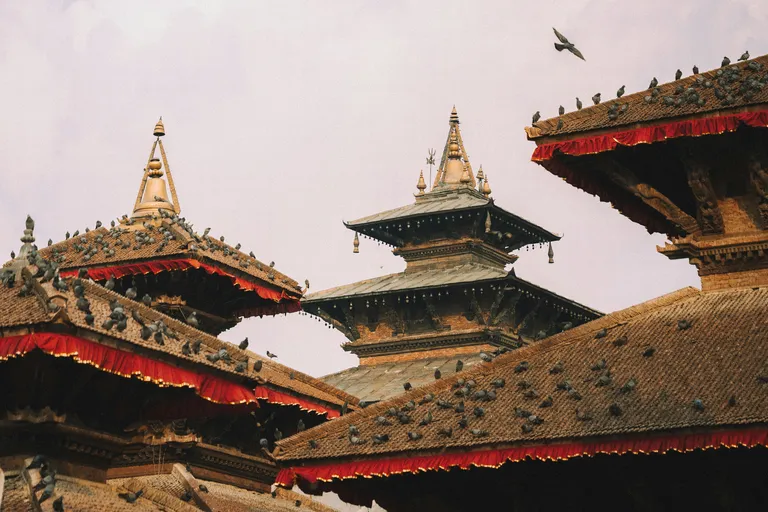
Urban Birds of Kathmandu is a flexible half-day to multi-day birding outing run inside the valley — forest edges, farmland, creeks, and scrub slopes 15–40 minutes from the city. Targets include the Spiny Babbler (Turdoides nipalensis), the only bird endemic to Nepal. Naturalist-led, with a post-trip checklist, using the Kathmandu-based bird guides we work with year-round.
Godawari & Phulchauki Birding
A one-day naturalist-led bird walk on the southern edge of the Kathmandu Valley — Godawari Community Forest at the base, with an optional second day climbing Phulchauki Hill (2,760 m). Subtropical and temperate forest; over 300 species recorded on the hill, 100+ logged on past single days. Max-8 group, led by a licensed birder. Sunday–Friday departures.