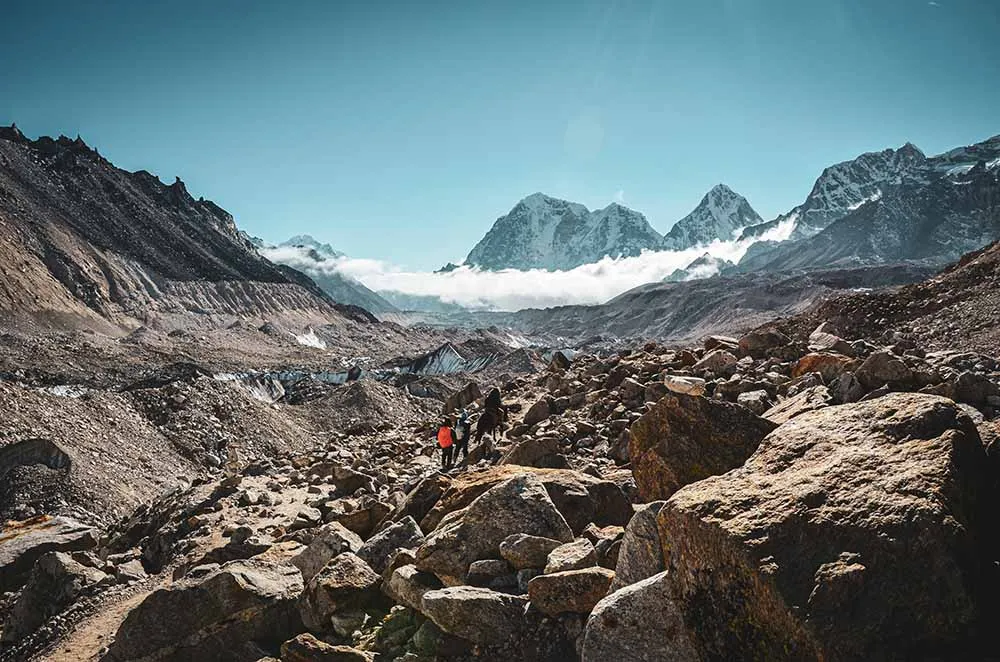
Wings on Migration
Wings on Migration is a 10-day bird tour from Kathmandu through Pokhara to Chitwan, working three habitats — Godawari forest edge, the Pokhara valley rim, and the Chitwan lowland grassland — during the November–March migration window. Targets include the Critically Endangered Bengal Florican (Houbaropsis bengalensis) and Lesser Florican (Sypheotides indicus). Max-10 group, naturalist-led, vehicle-based.
About this trek
Ten days, three habitats, one migration window. Wings on Migration is built around the November–March arrival of wintering and passage birds at the southern edge of the Himalaya. We start at Godawari on the Kathmandu valley rim — broadleaf forest where flycatchers and cuckoos overwinter — then move west to Pokhara for the valley floor and its surrounding hill rims, then south to Chitwan's phanta grasslands and riverine sal forest.
Chitwan is the reason this tour exists. The tall-grass remnants there are one of the last regular sites for Bengal Florican (Houbaropsis bengalensis) and Lesser Florican (Sypheotides indicus), both Critically Endangered on the IUCN Red List, with global populations under 1,000 and 1,000 mature individuals respectively. White-rumped Vulture (Gyps bengalensis), also Critically Endangered, is on the list. So is the Yellow-breasted Bunting (Emberiza aureola), a once-abundant passage migrant collapsed by trapping on its East Asian flyway.
The honest part: florican sightings depend on grassland condition, burn cycles, and the birds' own movements within the protected area. We do not promise them. We work the right habitats at the right hours with a licensed naturalist who can read the grass, and we keep the group small enough — capped at 10 — not to flush what we are looking for. There is no trekking and no altitude on this tour; most birding is from vehicles, on short forest walks, and on canoe sections, with early mornings in Chitwan the only consistent demand.
Trip Facts
- Best season
- November–March (peak December–February); March–May secondary
- Group size
- 2–10 trekkers
- Start / end
- Kathmandu → Kathmandu
- Accommodation
- Hotels throughout
- Guides & porters
- English-speaking naturalist birding guide (no porters — vehicle-based tour)
- Minimum age
- 12+
Trek Highlights
- Bengal Florican (Houbaropsis bengalensis) and Lesser Florican (Sypheotides indicus) — both IUCN Critically Endangered — in Chitwan's phanta grasslands
- White-rumped Vulture (Gyps bengalensis, CR) and Steppe Eagle (Aquila nipalensis) on the Chitwan plains
- Yellow-breasted Bunting (Emberiza aureola, CR) as a winter passage target
- Great Hornbill (Buceros bicornis) and Black-crested Baza (Aviceda leuphotes) in riverine sal forest and at Godawari
- Three distinct elevation bands worked in a single itinerary: Kathmandu rim → Pokhara valley → Chitwan lowland
- Max-10 group, licensed naturalist guide, post-trip species list provided
Day-by-Day Itinerary
Airport pickup and transfer to your hotel, then a welcome dinner with the guide. Species list and route briefing.
Book a Departure
No published departures right now — get in touch and we'll set up a private date.
Upcoming Departures
Winter 2026
1 departureCustom and private departures available year-round on request.
What's Included
- Private land transportation
- Hotel accommodation throughout
- All jungle activities in Chitwan
- National park entrance fees
- Welcome dinner in Kathmandu
- Licensed naturalist tour leader / guide
- Government tax
- Post-trip list of birds and wildlife recorded
Not Included
- Meals in Kathmandu
- Bottled drinks and beverages
- Personal expenses, visa fee, airport tax
- Rerouting costs
- Tipping
- Single supplement (USD $590)
Frequently Asked Questions
Are florican sightings guaranteed?
No. Both Bengal Florican and Lesser Florican are Critically Endangered, and their movements within Chitwan vary with grassland condition and the burn cycle. We work the right habitats at the right hours, but the sighting depends on the birds. Treat them as the prize, not the promise.
What's the best month?
December, January, and February are the peak winter-migrant window. March–May still produces birds but adds heat haze and grass growth that makes grassland species harder to find.
How physically demanding is this tour?
Leisurely. Most birding is from vehicles, on short forest walks, and on canoe sections. Early mornings in Chitwan are the only consistent demand. There is no trekking and no altitude.
Do you run elephant-back safaris in Chitwan?
No. We do not use elephant-back safaris on any itinerary. Chitwan game drives are jeep-based, and canoe sections are on the Rapti or Narayani.
What does the post-trip species list include?
Every bird and mammal recorded across the 10 days, by date and site. We keep a copy for our own records as well.
Why does the tour run in winter?
Because it is built around the November–March arrival of wintering and passage birds at the southern edge of the Himalaya — the floricans, vultures, and buntings that make the Chitwan grasslands worth the trip are at their most findable then.
More treks like this

Bird and Red Panda Expedition — Eastern Nepal
A 16-day expedition through four eastern-Nepal habitats — Phulchowki above Kathmandu, Sindhuli Gadi, the Koshi Tappu wetland, and the Ilam hills — tracking red panda (Ailurus fulgens, IUCN Endangered) alongside resident and migratory birds including Sultan Tit (Melanochlora sultanea). Naturalist-led, small group, starts and ends in Kathmandu. Red panda sightings are not guaranteed.
Urban Birds of Kathmandu Valley
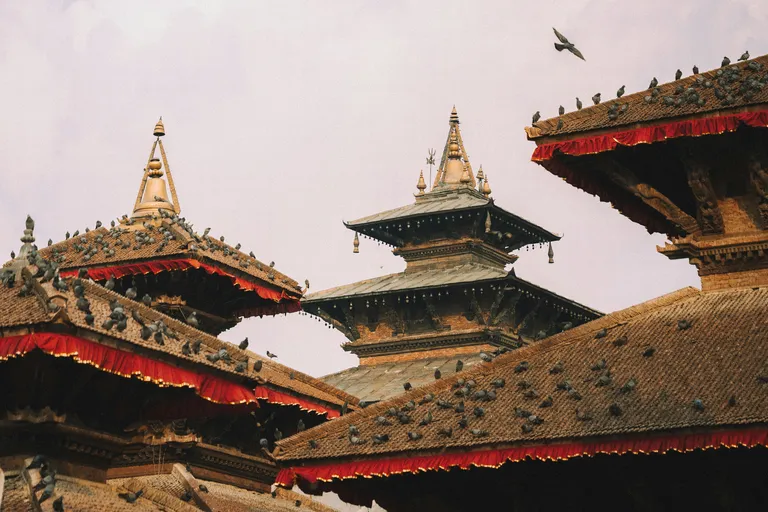
Urban Birds of Kathmandu is a flexible half-day to multi-day birding outing run inside the valley — forest edges, farmland, creeks, and scrub slopes 15–40 minutes from the city. Targets include the Spiny Babbler (Turdoides nipalensis), the only bird endemic to Nepal. Naturalist-led, with a post-trip checklist, using the Kathmandu-based bird guides we work with year-round.
Godawari & Phulchauki Birding
A one-day naturalist-led bird walk on the southern edge of the Kathmandu Valley — Godawari Community Forest at the base, with an optional second day climbing Phulchauki Hill (2,760 m). Subtropical and temperate forest; over 300 species recorded on the hill, 100+ logged on past single days. Max-8 group, led by a licensed birder. Sunday–Friday departures.