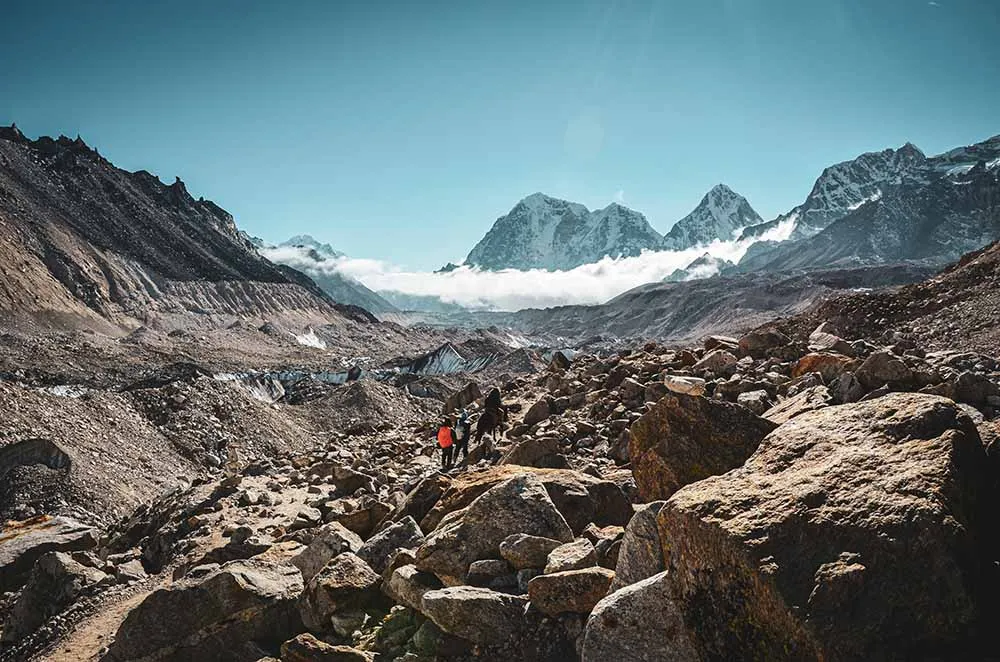
Red Panda Tracking — Eastern Nepal
An 11-day naturalist-led wildlife trip from Kathmandu into the Ilam tea-garden belt and the temperate broadleaf forest around it (2,200–3,600 m), tracking red panda (Ailurus fulgens, IUCN Endangered) on foot alongside Himalayan Monal and Satyr Tragopan. We track with a local community tracker who works these forests year-round, and sleep in tea-garden home-stays.
About this trek
Red panda (Ailurus fulgens) is listed Endangered on the IUCN Red List. In Nepal, the population concentrates in temperate broadleaf forest between roughly 2,200 m and 3,600 m, in the bamboo-understorey belt of the eastern hills. This trip works the Ilam district side of that range, with home-stays in tea-garden villages and walking days through the surrounding community forests.
The animal is shy and crepuscular. We track on foot with a local community tracker who works these forests year-round — not a commercial wildlife operator. We do not yet publish an audited multi-year sighting rate (TBC), so we will not quote a probability. Sightings are not guaranteed. Come for the forest and the bird list; treat the panda as a bonus.
Days 1–2 cover Kathmandu arrival and an optional heritage walk. Day 3 flies Kathmandu–Bhadrapur and drives up into the Ilam tea belt. Days 4–8 are the tracking core — slow walks at dawn and late afternoon through bamboo-understorey forest, with mid-day birding for Himalayan Monal (Lophophorus impejanus), Satyr Tragopan (Tragopan satyra), and the mixed-flock specialists of the mid-elevation east. Day 9 returns to Ilam, Day 10 back to Kathmandu, and Day 11 departs.
Trip Facts
- Best season
- Mid-March–May and September–December
- Group size
- 2–8 trekkers
- Total distance
- ~40 km
- Avg walking
- 3–5 hours of dawn and afternoon tracking walks (estimated — operator to confirm)
- Start / end
- Kathmandu → Kathmandu (via Bhadrapur flight)
- Accommodation
- Home-stays in Ilam tea-garden villages and lodges, twin-share
- Guides & porters
- Naturalist guide plus local tracking partner, support staff; porter max load 25 kg (IPPG)
- Minimum age
- 12+
Trek Highlights
- Track red panda (Ailurus fulgens, IUCN Endangered) on foot in temperate broadleaf forest, 2,200–3,600 m
- Himalayan Monal (Lophophorus impejanus) and Satyr Tragopan (Tragopan satyra) in the same elevation band
- Mixed-flock birding — Red-tailed Minla, Yellow-cheeked Tit, Hume's Bush Warbler, Rufous-chinned Yuhina
- Mammal incidentals — Himalayan Serow, Muntjac, Yellow-throated Marten (Clouded and Common Leopard are present but effectively never seen)
- Home-stay nights in Ilam tea-garden villages
- A local community tracker on every walk, working these forests year-round
Day-by-Day Itinerary
Met at Tribhuvan International Airport and transferred to your hotel. Trip briefing with your naturalist leader and a welcome dinner. Meals: Dinner.
Book a Departure
No published departures right now — get in touch and we'll set up a private date.
Upcoming Departures
Mid-March–May 2026
1 departureSeptember–December 2026
1 departureCustom and private departures available year-round on request.
What's Included
- All meals (breakfast, lunch, dinner, hot drinks)
- Naturalist tour leader
- Guide, support staff, and local community wildlife tracker
- Home-stay and lodge accommodation
- Community and conservation-area entrance fees
- Private ground transport
- Kathmandu heritage tour
- Kathmandu–Bhadrapur–Kathmandu flights
- Welcome dinner
- Staff insurance and government tax
Not Included
- International flights
- Nepal visa
- Personal travel insurance
- Drinks outside the included hot drinks
- Tips
- Anything not listed under "What's Included"
Frequently Asked Questions
Will we see a red panda?
Not guaranteed. The animal is shy, crepuscular, and Endangered. We do not yet publish an audited sighting record (TBC), and until we do we will not quote a number. Come for the forest and the bird list; treat the panda as a bonus.
Is this a trek or a wildlife tour?
A wildlife tour with walking days, not a high-altitude trek. Nights are in home-stays and lodges, not tented camps, and the pace is slow tracking rather than distance-covering.
Are there any captive-wildlife visits?
No. We do not run captive-wildlife visits, animal rides, or performative-culture stops on any trip. Tracking is on foot in wild forest with a community tracker.
How fit do I need to be?
The walking days are slow-paced tracking, not a strenuous trek — graded easy, with 3–5 hour dawn and afternoon forest walks. Base hill-walking fitness is enough.
When should I go?
Mid-March to May and September to December are the working seasons for this part of the eastern hills.
Who tracks the red panda with us?
A local community tracker who works these forests year-round. We are still confirming the named tracking partner — cooperative, village, and lead tracker — before publication (TBC).
What else might we see?
Himalayan Monal, Satyr Tragopan, and mixed-flock specialists like Red-tailed Minla and Rufous-chinned Yuhina, plus mammal incidentals — Himalayan Serow, Muntjac, and Yellow-throated Marten.
More treks like this

Bird and Red Panda Expedition — Eastern Nepal
A 16-day expedition through four eastern-Nepal habitats — Phulchowki above Kathmandu, Sindhuli Gadi, the Koshi Tappu wetland, and the Ilam hills — tracking red panda (Ailurus fulgens, IUCN Endangered) alongside resident and migratory birds including Sultan Tit (Melanochlora sultanea). Naturalist-led, small group, starts and ends in Kathmandu. Red panda sightings are not guaranteed.
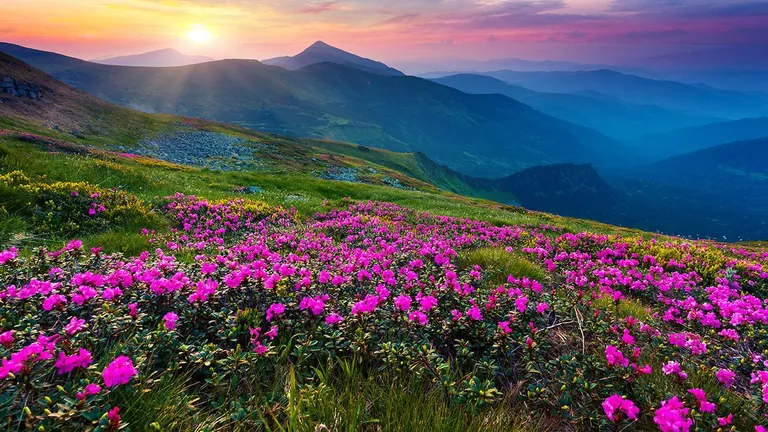
Rhododendrons of Milke Danda
A 16-day botanical walk from Basantapur to Tumlingtar along the Tinjure–Milke–Jaljale ridge in east Nepal's Koshi hills, topping out around 3,200 m on Milke Danda. Expect rhododendron forest in bloom — Rhododendron arboreum among them — and mid-hill cloud forest, not megafauna. Small group (min 4), naturalist-led, walking through Basantapur, Chauki, Gupha Pokhari, Milke Danda, and Khandbari.
Nepal Wildlife — Chitwan & Bardia
A 12-day naturalist-led tour through Chitwan and Bardia National Parks — Nepal's sal-lowland and riverine-forest terai. Game-spotting is on foot, by jeep, and by dugout canoe, never on captive elephants. Max-12 group, full-board lodges next to the parks, and a park-licensed naturalist on every drive and walk. Bookended by the Kathmandu Valley and a half-day at Lumbini.